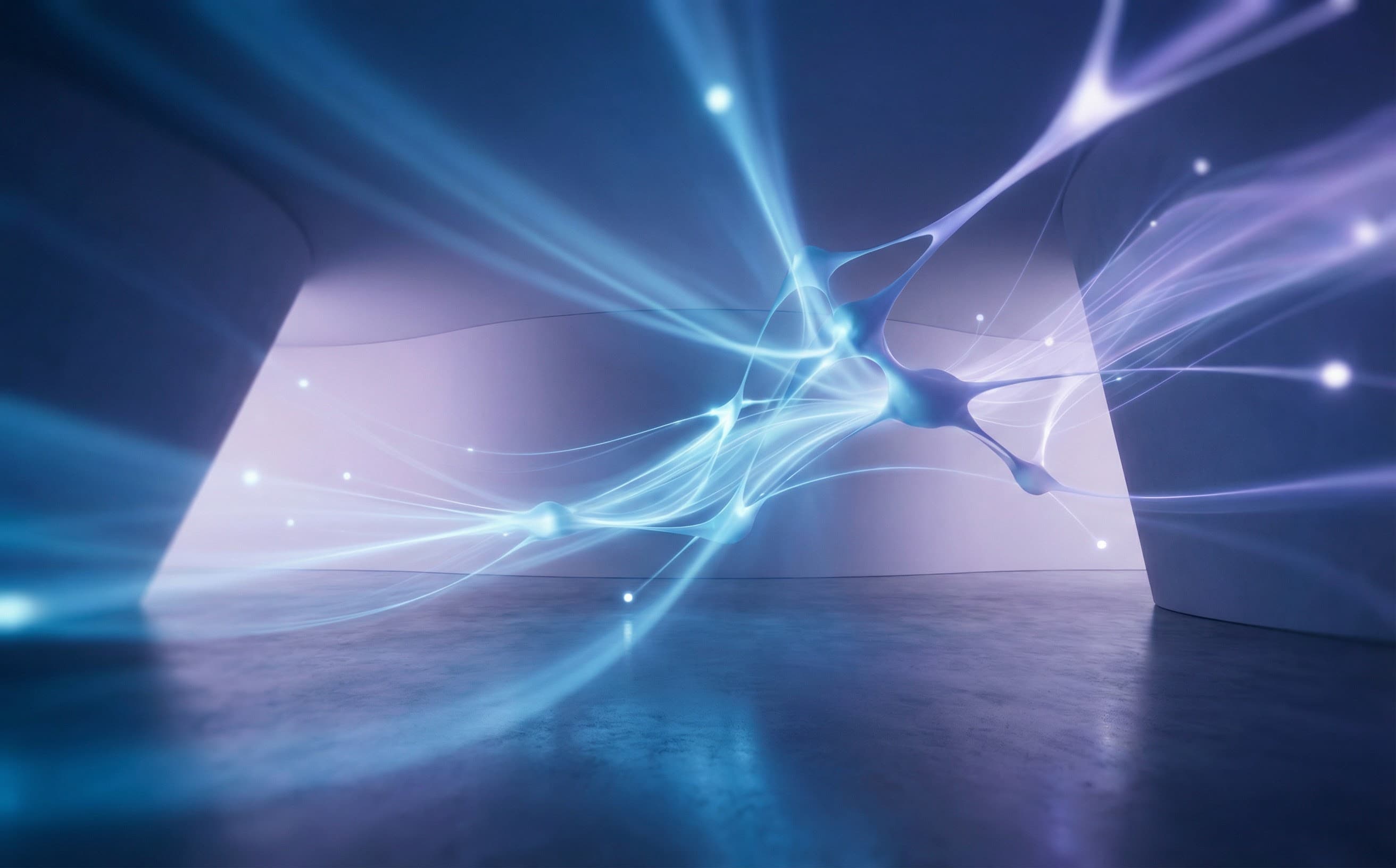
Projection mapping projects images or video onto non-flat surfaces—buildings, objects, or stages—so the imagery fits the shape and creates illusions or narratives. This article covers basic techniques and trends used in events and brand experiences.
How Projection Mapping Works
The principle is to use software to "map" images or video to the real surface's dimensions and angles, adjusting keystone and warp so the image does not distort or fall off the edges. With projectors of sufficient brightness and resolution, the result looks like part of the object or building.
Key Techniques to Know
Survey and 3D Modeling
You need to know the size, angles, and curvature of the real surface to build a digital model and "attach" the image accurately.
Mapping and Warp
Software such as Resolume, MadMapper, or TouchDesigner is used to warp images to the model and test under real lighting.
Brightness and Projector Count
Large surfaces or ambient light may require multiple projectors or higher lumens, and edge-blending to create seamless imagery.
Popular Trends
Building mapping remains common for launches and festivals. Mapping onto smaller objects such as boxes or products works in booths or showrooms. Combining with sensors or interactivity—so imagery responds to movement or touch—is increasingly popular.
Things to Watch For
Consider ambient light (outdoor vs. indoor), power access and projector placement, and testing before the event to reduce risks of color or alignment issues.
In Summary
Projection mapping turns ordinary surfaces into memorable visual experiences. With a solid grasp of basics and planning for light, placement, and content, it can be used for events, brands, and art alike.